A phone camera in harsh daylight is unforgiving. If your chin looks pebbled, puckered, or dimpled when you talk or tense your mouth, you are likely seeing overactivity of a small surface muscle called the mentalis. Patients often call it “orange peel skin” or “golf ball chin.” The texture can make makeup settle, cast shadows in photos, and pull attention away from the rest of your features. The good news is that targeted botulinum toxin injections can smooth this area without changing who you are. The trick lies in understanding the anatomy, the right dose, and how to balance the chin with its neighbors: lips, jawline, and neck.
What you’re actually seeing when the chin puckers
The chin’s pebbled look comes from repetitive contraction of the mentalis muscle. It sits like a teardrop over the chin’s center, inserting into the skin. When it fires, it bunches the overlying skin, lifting the soft tissue while dimpling the surface. Some people recruit the mentalis when speaking, while others do it habitually when concentrating or clenching. The behavior is amplified by volume loss in the lower face with age. Thinner skin and reduced subcutaneous fat make the texture more visible, similar to how forehead lines deepen as collagen declines.
Sometimes the mentalis works against other muscles. Downturn of the mouth corners can cue more chin strain, and tight platysmal bands in the neck can create opposing forces that make the chin work harder to stabilize the lower face. If you also grind your teeth, the masseter muscles may bulk up, shifting how the lower face looks and how the chin functions. For precise results, an injector should not only look at the chin in isolation but watch how your entire lower face moves, at rest and in animation.
What is Botox and how it works in the chin
Botox is a brand name for onabotulinumtoxinA, one of several botulinum toxin type A formulations used in aesthetic medicine. Others include Dysport and Xeomin. They all temporarily block the release of acetylcholine at the neuromuscular junction, which reduces muscle contraction. In simple terms, the muscle relaxes just enough to soften the unwanted movement.
In the chin, careful dosing calms the mentalis so it cannot bunch the skin into a pebbly texture. That does not mean your lower face goes slack. The aim is to reduce excessive pull and let the skin lie smoother. When done well, the result looks like your chin after a long exhale, not frozen or numb.
Who benefits most from Botox for chin dimpling
Three patterns respond especially well to botox for chin dimpling:
- Habitual dimpled texture that appears with speech or when pursing the lips, usually visible on video calls and in bright light. Pebbled skin that persists at rest because the mentalis is hyperactive or the skin is thin, often noted in lean faces or in patients with significant sun exposure. A dimpled chin that accompanies a downturned mouth or a pronounced pout, where the mentalis compensates for surrounding muscle imbalance.
People with deep structural chin clefts or prominent bone asymmetry may need fillers or even surgical options in addition to botox. If acne scarring creates surface pits in the chin, botox will not fix the scars, although it can reduce the overlay of texture from movement and make resurfacing results more apparent.
The consultation process that predicts success
A thorough botox consultation for the chin feels like a movement assessment. I have patients speak, smile, say “ee,” and gently jut the lower lip forward. I check symmetry from the front and profile. Light finger pressure over the mentalis can reveal how strongly it fires. If the dimpling disappears when I manually relax the area, botox injections will likely help.
We also map out the surrounding contributors. If the mouth corners turn down at rest, small doses to the depressor anguli oris can stop a tug-of-war that would otherwise make the chin work harder. If there are neck cords that flare when you grimace, the platysmal bands may need attention. If your jawline looks heavy from teeth grinding, masseter botox can slim the lower face and reduce stress on the chin’s soft tissue. This is the logic behind anatomy based treatment: treat the driver, not just the symptom.
Safety is part of the consult. I review your medical history, medications, and prior botox treatment, and explain realistic expectations. I also cover botox risks and benefits: temporary bruising, swelling, rare asymmetry, and dose dependent duration. Most patients can return to normal life immediately, but they should plan around big events if they bruise easily.
" width="560" height="315" style="border: none;" allowfullscreen="" >
Precision injection mapping for the mentalis
Mentalis injections are all about depth and placement. The muscle is small and superficial, which makes it responsive, but also means overdosing can create an overrelaxed lower lip or a “heavy” feeling. Here is the typical strategy I use for precision botox injections in the chin:
- Two to four injection points centered over the chin’s midline, placed where dimpling is most visible when you tense. Shallow to mid dermal depth to capture the mentalis without diffusing into the depressor labii muscles that control the lower lip. Conservative initial dosing, followed by a touch up two weeks later if needed. Baby botox or micro botox style dosing also works well for first time patients or those seeking a very natural look.
Most practices use 4 to 10 total units for the chin, split between points. That number varies by product, dilution, and your muscle strength. A botox dosage guide is a starting point, not a rigid rule. I’d rather start low for a chin than overshoot and blunt lip movement.
What the appointment feels like
The botox treatment itself takes around 10 minutes. We cleanse the area, sometimes use a small amount of topical numbing, and mark points with a removable pen. You will feel a brief pinprick at each site. Bleeding is minimal. Small wheals can appear for a few minutes as the saline spreads. Most people go back to work right away. If you are planning headshots or an on camera event, schedule at least a week ahead.
Botox aftercare instructions for the chin are simple: avoid heavy rubbing or facial massage for the rest of the day, skip strenuous exercise for a few hours, and stay upright for 3 to 4 hours. Makeup can go on gently after any pinpoint bleeding stops. If you had complementary treatments like filler, your provider will tailor guidance to those as well.
The results timeline and how long it lasts
Expect small changes in 2 to 4 days. The botox results timeline for a chin typically peaks around day 10 to 14. The pebbled texture softens first when you speak, then at rest. If botox near me dimpling is stubborn, a touch up at two weeks can refine the smoothing without creating stiffness.
How long botox lasts in the mentalis area ranges from 3 to 4 months for most people, though 2.5 to 5 months is seen depending on metabolism, activity, and dose. Those who work out at high intensity, clench, or have very strong muscles may feel it wears off faster. Botox wearing off signs include the gradual return of dimpling with certain expressions, then the more visible texture at rest. A reasonable botox maintenance schedule is three to four times a year. Some prefer smaller, more frequent “baby” doses every two to three months to keep movement subtle and steady.
Before and after: what changes and what stays the same
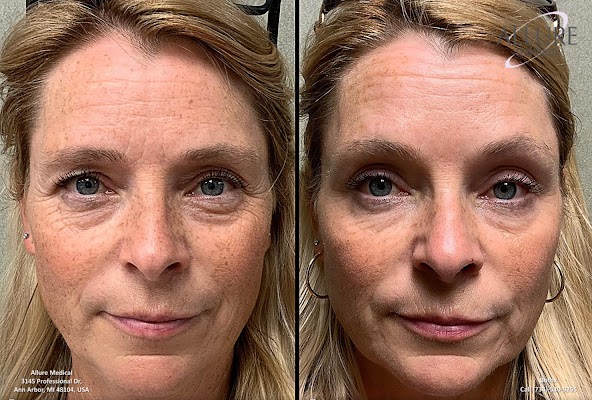
In botox before and after photos for chin dimpling, the most striking shift is in texture, not shape. Light reflects more evenly, foundation applies with less caking, and the lower face looks calmer even when speaking. The jawline can appear cleaner because you are not bunching soft tissue forward. What does not change is bone structure. If the chin recedes or lacks projection, filler may be a better tool to build shape, while botox refines the surface and motion.
A practical way to evaluate results is to record a short selfie video saying a few sentences before treatment, then repeat the same script two weeks after. Watching the lower face move in motion tells you more than still photos.
Combining treatments for better facial harmony
Botox for chin dimpling rarely lives alone. The lower face functions as a unit. Small, strategic additions can lift the result:
- If mouth corners pull down, a few units to the depressor anguli oris can soften a permanent frown and reduce strain on the mentalis. If your neck shows tight vertical cords when you clench, botox for platysmal bands can ease downward pull and help the jawline read cleaner. If your jaw looks bulky or you grind, masseter botox reduces width and tension, improving facial harmony and relieving stress on the chin. Many patients seeking botox for teeth grinding or botox for TMJ notice that their lower face relaxes, and their chin dimpling lessens even before the mentalis is treated. If volume loss is the core issue, selective filler along the anterior chin or marionette region may be paired with small doses of toxin to balance muscle activity and skin support.
A personalized botox plan weighs these pieces and respects your aesthetic goals: perhaps a subtle change for the camera, or a broader program for facial balancing. Precision matters. Advanced botox techniques and careful injection mapping limit diffusion to muscles we want to keep strong, such as those that raise and shape the lower lip.
Safety, side effects, and avoiding pitfalls
Botox safety information is straightforward for the chin when an experienced injector respects anatomy. Expected, short lived effects include tiny injection site bumps, mild redness, and occasional bruising. Rare issues involve transient asymmetry or difficulty with certain lip movements, like pushing the lower lip forward to play a wind instrument or sip from a narrow bottle. If you rely on those motions for work or hobbies, tell your injector so they can adjust dose and placement.
True complications are uncommon but possible. These include unintended spread to neighboring muscles, infection at the injection site, or an allergic response. People with neuromuscular disorders, certain active infections, or specific allergies may not be candidates. Pregnant and breastfeeding patients are generally advised to wait. Always review botox risks and benefits in the consultation and share your medical history.
A common pitfall is chasing dimples with filler alone. Filling pits in a hyperactive muscle can look lumpy. Calm the muscle first with botox for a natural look, then assess if any residual texture is structural and warrants filler or skin resurfacing. Another mistake is overdosing the mentalis, which can flatten animation and create a tight feeling when smiling. Start conservative, reassess at two weeks, and build slowly.
How chin treatment fits with other popular botox areas
Many patients discover chin botox while coming in for upper face concerns. If you are already familiar with botox for forehead lines, botox for frown lines, or botox for crow’s feet, adding the chin is a small step that often makes the lower face match the refreshed upper third. For those with deep 11s, botox for glabellar lines pairs well with softening a tense chin, since both reflect overactive muscles.
Some choose a subtle botox brow lift to open the eyes and then refine the lower face Ann Arbor botox clinics to keep balance top to bottom. Others come for a botox lip flip or botox for a gummy smile and realize the chin activates when the upper lip relaxes. A few units in the mentalis can prevent the chin from taking over and keep the smile soft. These combinations are not about doing everything at once. They are about small, targeted adjustments that protect facial harmony.
Preventative and “baby” strategies
Preventative botox is often discussed for early forehead lines, but the principle applies to the chin as well. If you notice orange peel texture beginning in your late twenties or early thirties, light dosing once or twice a year may keep the habit from deepening. Baby botox or micro botox approaches use lower units spread across more points, prioritizing motion over complete stillness. For first time patients, this can build trust with the process and preserve nuance in expression.
The balance between prevention and overtreatment is personal. I prefer to watch how you move and decide where the smallest intervention can deliver the biggest benefit. If one side of the chin dimples more, asymmetric dosing can correct it. Botox for facial asymmetry and botox for uneven smile use the same principle: measure the imbalance, then dial the stronger side down to meet the weaker.
Doses, units, and expectations
Patients often ask about units explained simply. Think of units as a measure of botox strength, not filler volume. The number used in the chin depends on the product, your muscle mass, your goals, and your tolerance for temporary side effects. A common range runs from 4 to 10 units for onabotulinumtoxinA in the mentalis, sometimes a bit more in very strong chins or in men. Men often need higher doses across areas due to greater muscle bulk, so botox for men may adjust upward slightly while maintaining the same placement.
More units do not always yield better outcomes. Because the mentalis sits near lip elevators and depressors, over-relaxation can ripple. A measured approach with a possible touch up at two weeks gives a more reliable result and fewer surprises.
Recovery time and daily life
Botox recovery time in the chin is minimal. Plan for the possibility of a small bruise and some tenderness. Avoid facial massages, dental work, or high pressure masks on the area for the rest of the day. You can return to light exercise that evening, but save hot yoga or intense training for the next day. If you also received masseter botox, remember that chewing tough foods may feel slightly different for a week as the muscles adapt. For medical botox uses like migraines or hyperhidrosis, the aftercare differs based on the treatment zone, but the general rule still stands: do not press or rub.
When botox is not the right answer
Not every dimpled chin is a job for toxin. If the texture is mostly acne scarring, consider microneedling, laser resurfacing, or chemical peels. If the chin recesses significantly, filler can improve projection and reduce fold depth at the mentolabial crease. If the lower face sags from skin laxity and fat descent, botox has limited effect, and energy devices or surgical options might be more appropriate. An honest consultation should place botox vs fillers in the right order and explain why.
Dysport and Xeomin work similarly to Botox in this region. Some patients prefer one brand over another based on feel or onset. Botox vs Dysport differences include diffusion and unit equivalence, which your injector should account for. Botox vs Xeomin differences include the presence or absence of accessory proteins. For the chin, all can perform well in expert hands.
Longevity and long term effects
Botox long term effects on the chin are largely tied to muscle conditioning. Regular, appropriate dosing may reduce the intensity of habitual contraction over time, so some people can space treatments a bit further apart after a year. Skin quality often looks better because the muscle is not constantly bunching it. There is no evidence that properly administered botox thins the skin. Overuse or frequent high doses, however, can flatten animation. The best results come from spacing sessions sensibly, monitoring movement, and adjusting the plan as your face changes.
Real world examples from practice
A 36 year old teacher came in for persistent pebbling that showed up in classroom videos. She had moderate mentalis overactivity and slight downturn at the mouth corners. We used 6 units in the chin and 4 units per side for the depressor anguli oris. At two weeks, her chin looked smooth in motion, and the corners relaxed so the lower face read friendlier. She returned at four months for a small refresh.
A 44 year old triathlete who clenched and had visible platysmal bands showed uneven chin dimpling and heavy jawline fullness. We combined masseter botox for stress jaw and botox for neck bands with a conservative 6 units in the mentalis. The strain across the lower face dropped. At three months, his chin dimpling was less than half as visible, even on long training days, and he slept better with less clenching.
A 29 year old with a strong lip flip noticed the chin puckered more when smiling. Two weeks later, we added 4 units to the chin. The smile remained wide, the gummy exposure stayed improved, and the chin stopped stealing the scene.
Myths and facts to keep perspective
Several botox myths and facts come up with the chin. One myth says botox will make your chin sag. In reality, it reduces excessive pull and softens texture; it does not stretch skin. Another says once you start, you cannot stop. You can. Movement returns gradually when the toxin wears off, and you can decide to pause or change course at any visit. A third myth claims botox will erase all lines. It will not fix etched in creases from sun damage or collagen loss, though it will keep motion from worsening them and can make resurfacing or skincare work harder for you.
How to choose a provider and plan your first session
Pick someone who treats the lower face often. Ask how they assess the mentalis, how many units they start with, and what their touch up policy is. Watch how they talk about trade offs. If an injector offers one size fits all dosing or ignores how you animate, keep looking. For first time patients, small, staged treatments reduce surprises and build trust. A custom botox treatment that prioritizes natural expression is the safest route to consistent results.
If you are planning for a specific event, work backward. Because the full effect arrives in roughly two weeks, schedule the botox consultation process and treatment at least three weeks ahead. If you want to combine areas, do them the same day so the face settles as a unit. Align your botox aesthetic goals with timelines that make sense for your life.
A quick reference for lower face combinations
Here is a short comparison that helps align concerns with options:
- Orange peel chin that worsens with speech: primary mentalis botox, consider small DAO doses if corners pull down. Dimpling plus bulky jawline from clenching: add masseter botox for jaw slimming and relief from teeth grinding or TMJ symptoms. Dimpling with neck tension and cording: consider platysmal bands treatment to reduce downward pull. Dimpling with lip imbalance or gummy smile corrections: coordinate with a lip flip or gummy smile treatment so the lower face does not overcompensate. Residual etched texture after muscle relaxation: evaluate filler or resurfacing once motion is controlled.
The bottom line on smoothing the chin
Chin dimpling is a movement problem, not a character flaw. When the mentalis overworks, it imprints texture that distracts from the rest of your features. Botox injections, placed with precision and restraint, quiet that noise and let your skin read as smooth in motion and at rest. The best outcomes come from anatomy based treatment, realistic dosing, and thoughtful combinations that respect facial harmony. Plan for a two week onset, expect three to four months of benefit, and keep your maintenance simple.
If you have been focusing only on upper face lines, consider taking a closer look at the lower third. A small adjustment in the chin often brings the whole face into balance, which is the goal of refined aesthetic care: targeted changes, natural look, and results that support how you live.